




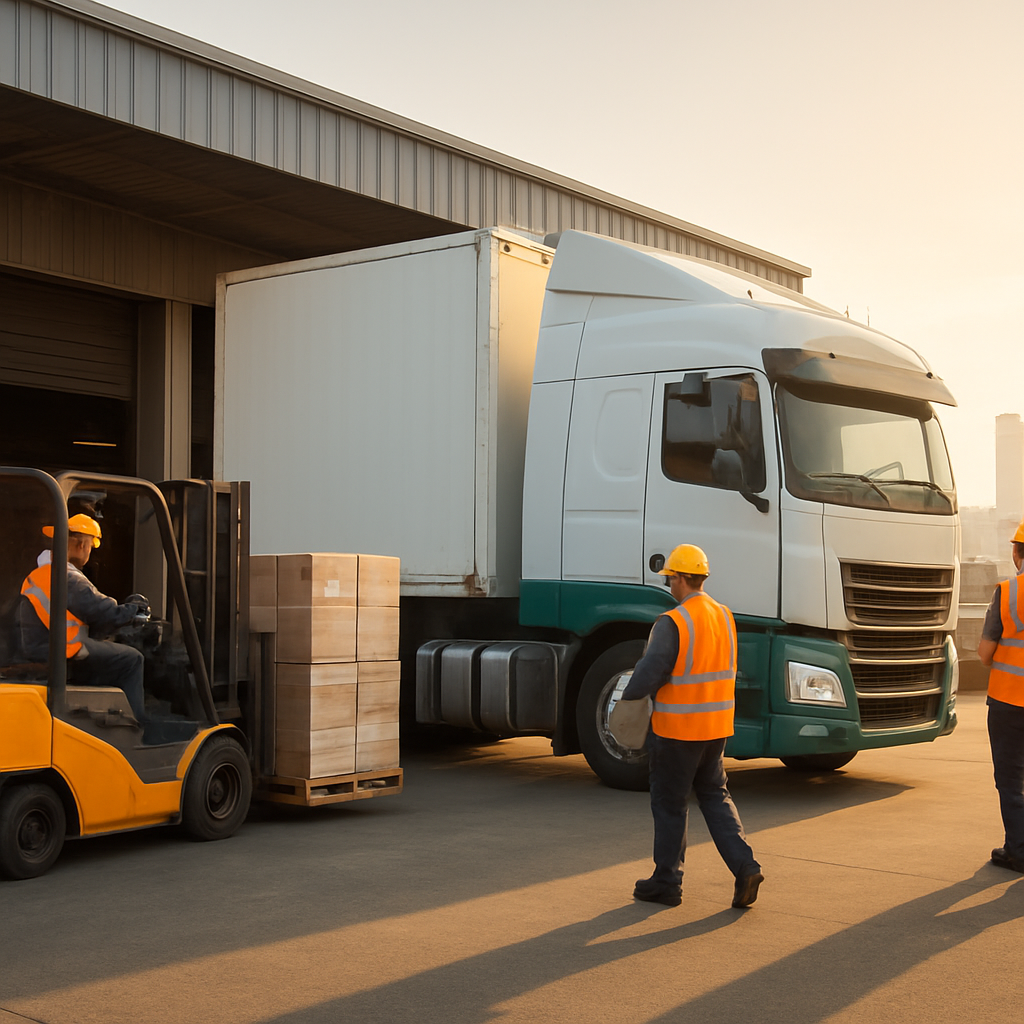
The Future of Road Freight Forwarding in the Netherlands
The future of road freight forwarding in the Netherlands is at a turning point, yet many operators underestimate how fast the pressure is building. Stricter EU climate targets, rapidly evolving technology, and shifting trade patterns are reshaping demand for road freight transportation, and businesses that ignore these changes risk higher costs, lost contracts, and regulatory non-compliance. While the country’s dense network and strong trade position support growth, outdated practices in planning, data use, and fleet upgrades are quietly eroding competitiveness in Road Freight in Netherlands.
- Rising regulatory pressure from EU climate policies
- Growing need to invest in zero-emission trucks and charging or hydrogen infrastructure
- Digitalization gaps in route planning, tracking, and documentation
- Increasing competition from rail and inland waterway corridors
- Operational inefficiencies from fragmented networks and empty runs
The evolving landscape of Road Freight in Netherlands
The Netherlands sits at the heart of European trade, but that advantage depends on how quickly carriers adapt to sustainability and digital trends. The EU’s “Fit for 55” package and Green Deal are pushing member states toward lower emissions, forcing fleets to rethink diesel dependence. Companies that still rely on manual processes and paper-based workflows risk slower turnaround times and data blind spots. At the same time, shippers are demanding greener freight transportation services that can be measured and verified.
Why the shift to sustainable freight cannot be delayed
The EU aims to cut greenhouse gas emissions by 55% by 2030 and reach climate neutrality by 2050, and this is not just a policy slogan. These targets are already driving low- and zero-emission zones, subsidies for cleaner vehicles, and tighter reporting rules. Operators that delay investment in electric or hydrogen trucks may face rising fuel costs, carbon surcharges, or restricted access to key corridors. Ignoring these trends also threatens long-term access to multinational customers with strict ESG requirements.
Digitalization gaps and hidden inefficiencies
Despite strong innovation in Dutch logistics, many fleets still operate with limited use of automation, IoT, and real-time data. This can lead to underused capacity, avoidable congestion delays, and poor visibility for shippers relying on reliable logistics and shipping solutions. When cargo flows are not tracked accurately, it becomes harder to optimize cargo delivery options or respond quickly to disruptions. Over time, these gaps translate into higher operating costs and weaker service performance.
Modal shift risks and competitive pressure
As investment in rail and inland waterways grows, road carriers face rising competition for long-haul routes. Governments and large shippers are actively exploring European cargo delivery options that reduce emissions and congestion. Without clear strategies to integrate road logistics and freight with other modes, some operators may be sidelined in multimodal tenders. The risk is not that road transport disappears, but that its role changes, favoring players who can plug into broader Netherlands logistics solutions with reliable road cargo shipping services.
Early warning signs include increasing empty runs, difficulty meeting customer sustainability reporting demands, and limited readiness for cross-border trucking solutions under new EU rules. Businesses that explore FTL and LTL cargo options, smarter door-to-door freight services, and trusted guidance from experts can better navigate this transition. To understand how broader EU climate policy is reshaping freight, review the European Commission’s official climate targets at https://climate.ec.europa.eu/index_en. If these challenges sound familiar, now is the time to assess your fleet strategy, data capabilities, and modal mix before rising costs and new regulations close off your options—speak with a specialist to review your current setup and identify practical steps to future-proof your operations.

Related posts
Rail vs Road: Best Freight Forwarding Options Explored
When it comes to moving goods, the choice between rail and road isn’t just
E-Commerce Road Freight Solutions for Dutch Retailers
Learn how weak e-commerce road freight strategies in the Netherlands quietly inf
Fueling Strategies for Sustainable Road Freight Operations
In the dynamic landscape of road freight operations, achieving sustainability an
