




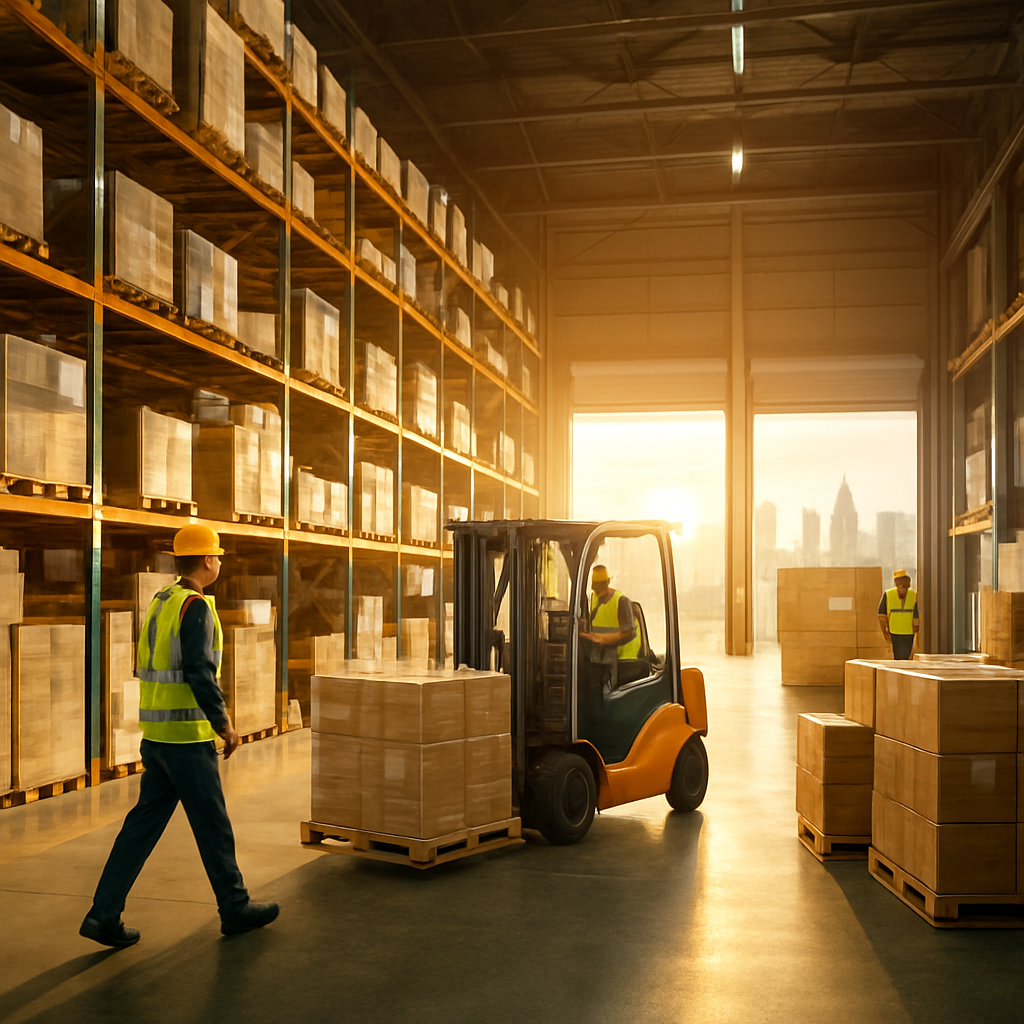
The Rise of Third-Party Logistics Warehousing in the Netherlands
The rise of third-party logistics warehousing in the Netherlands is quietly reshaping how international brands serve European customers. For many US and UK businesses, the real problem is not demand, but distance: clinging to home-based fulfilment while competitors exploit Dutch hubs for faster, cheaper delivery. Within this shift, Warehousing in Netherlands is emerging as a strategic fault line between responsive, localised service and slow, costly cross-border shipping.
- Rising lead times and missed delivery promises for EU customers
- Unexpected customs delays and administrative friction
- Growing pressure on margins from premium airfreight
- Inflexible inventory positioning across European markets
- Limited visibility into local carrier performance and returns
The rise of third-party logistics warehousing in the Netherlands
Third-party logistics warehousing in the Netherlands has expanded rapidly as Rotterdam and Schiphol cement their roles as Europe’s main gateways. Dutch providers now absorb a large share of new logistics space, signalling that brands are outsourcing not just storage, but complex logistics management solutions. This shift matters because customer expectations have tightened: in major EU markets, next-day delivery is increasingly the baseline, not a premium feature.
Why distance-based fulfilment is becoming a serious liability
Running European operations exclusively from the US or UK often looks efficient on paper, but the cracks show in practice. Longer transit times, higher shipping costs, and inconsistent last-mile performance quietly erode loyalty. Businesses that overlook local inventory storage options in the Netherlands can find themselves locked into costly airfreight just to stay competitive. Over time, those emergency measures undermine profitability and weaken supply chain efficiency.
Warning signs your EU logistics model is falling behind
Several red flags suggest a company is underusing Dutch warehousing options. Rising return rates linked to late or missed promised delivery windows are one of the clearest signals. So are frequent customs queries, unplanned duties, and stockouts in Germany, France, or the Nordics despite healthy global stock. Finance teams may also notice growing write-offs from slow-moving items stuck far from demand, highlighting gaps in warehouse inventory solutions and distribution and storage planning.
What’s really driving the 3PL shift into the Netherlands?
The boom in 3pl logistics warehousing is underpinned by more than just e-commerce growth. Dutch operators are investing in automation, data visibility, and storage and fulfillment services tailored to omnichannel brands. As environmental rules tighten and labour costs rise, integrated logistics planning from a central Dutch hub offers a way to streamline transport routes and ecommerce inventory control. For many firms, netherlands supply chain support is no longer optional; it is the backbone of a resilient EU network.
Ignoring these structural changes risks leaving your business tied to outdated models while competitors redesign around flexible Netherlands-based hubs. To understand how your current setup compares, start by mapping delivery times, cost-to-serve, and where EU orders really originate. Independent market analysis from sources such as the European Commission’s transport statistics can help benchmark performance against regional trends. From there, speaking with an expert in Warehousing in Netherlands and broader supply chain efficiency can clarify where targeted changes could deliver the greatest impact.
If your organisation is experiencing any of the warning signs described above, now is the time to reassess your European logistics strategy before inefficiencies become embedded and expensive to unwind. Evaluate your current storage and fulfillment services, review your ecommerce inventory control processes, and consider whether Netherlands-based 3pl logistics warehousing could offer more resilient logistics management solutions. To explore your options and identify practical next steps, book a discussion with a specialist who understands dutch warehousing options and can guide you through a tailored, integrated logistics planning review.

Related posts
Why SAP Warehouse Solutions Are Becoming Essential for European Warehouse Logistic
If you run a European distribution operation, you already feel the pressure: tig
Urban Warehousing in the Netherlands: Solving the Last-Mile Delivery Challenge
Urban warehousing has become a critical component in addressing the challenges o
Understanding Warehousing Services in the Netherlands for 2026
Understand warehousing services in the Netherlands for 2026, from automation and
