




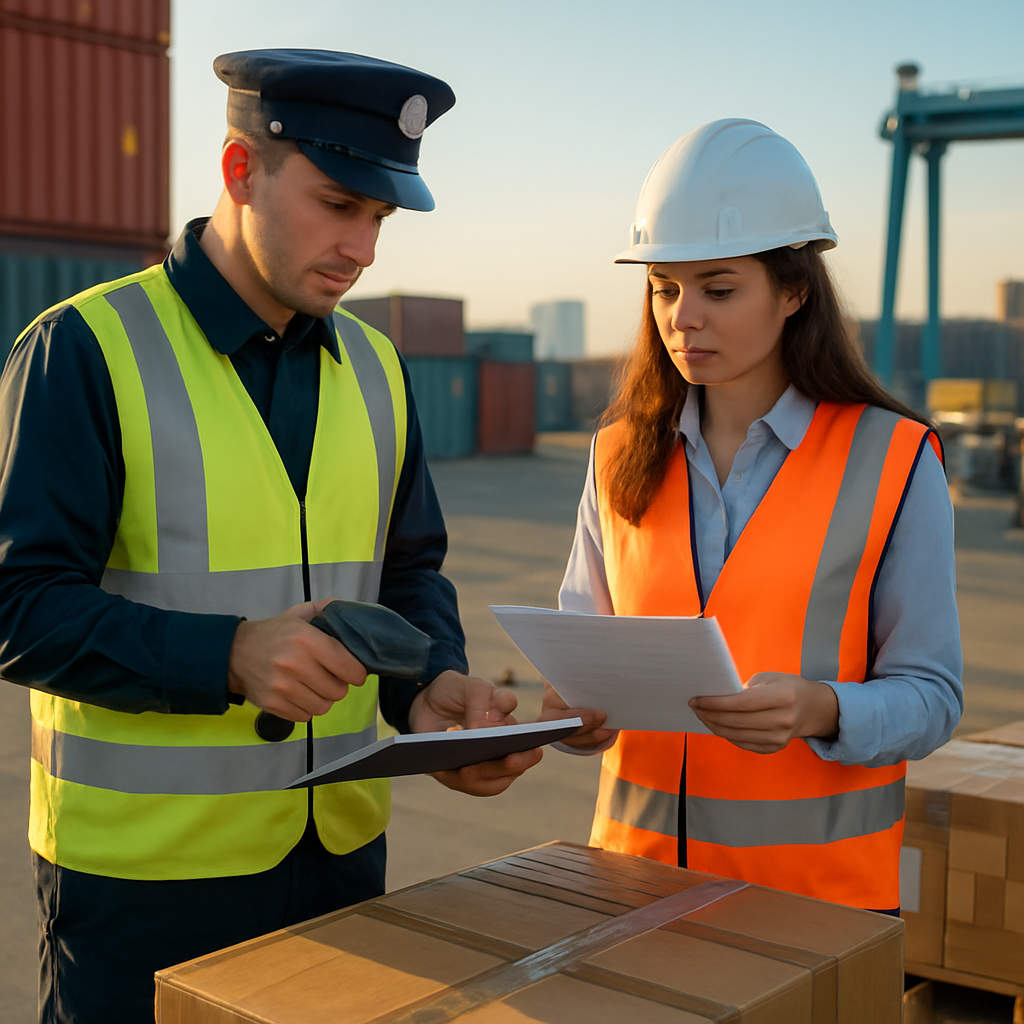
Navigating Import Customs Clearance in the Netherlands: 2026 Tips
Importers planning to use the Netherlands as an EU gateway in 2026 are discovering that customs formalities are no longer a back‑office detail. Complex import export regulations, new data‑driven controls, and tighter enforcement are turning minor oversights into costly disruptions. Businesses that do not understand the full customs documentation process risk eroded margins, delayed deliveries, and damaged customer relationships.
- Delays at Rotterdam and Schiphol caused by incomplete or inconsistent data
- Unexpected duties and taxes triggered by incorrect customs valuation
- Seizures or holds for goods that fall under dual‑use or agricultural controls
- Escalating storage, demurrage, and handling fees while customs issues are resolved
- Retrospective audits exposing systemic non‑compliance over several years
Hidden risks in import customs clearance in Netherlands
The Dutch system is designed for speed, but only when declarations are accurate and aligned with Dutch import export rules. Automated risk engines compare declarations with logistics data, invoices, and historical patterns, meaning even small discrepancies can trigger intervention. Many importers underestimate how import regulations for Netherlands differ in practice from other EU entry points, particularly around valuation, dual‑use controls, and VAT and duties compliance Netherlands.
Why customs headaches are rising before 2026
The EU’s multi‑year reform of customs, including expanded real‑time data sharing, is raising the bar on international shipping compliance. Dutch Customs already relies heavily on electronic AGS filings and algorithmic risk profiling; by 2026, information mismatches across carrier systems and platforms will be more visible than ever. Companies that still treat compliance as paperwork, rather than a data challenge, are most exposed to surprise checks and penalties under emerging EU customs documentation guidelines.
Early warning signs your customs process is failing
Most organisations only realise there is a problem once a high‑value shipment is stopped, yet signs often appear much earlier. Repeated queries from Dutch Customs, recurring corrections to HS codes, or frequent amendments to customs paperwork for international trade are clear red flags. Rising demurrage invoices, unexplained transit time spikes, and inconsistent duty amounts between similar consignments all suggest deeper weaknesses in your Netherlands shipping compliance checklist and internal controls.
Common causes behind delays, penalties, and audits
The underlying issues are often mundane: misclassified products, under‑declared freight or insurance, or missing export control compliance Netherlands licences for sensitive technologies. Incomplete commercial invoices and packing lists remain leading triggers for inspections, especially under strict air and sea freight regulations. A growing 2026 risk is data misalignment, where entries in TMS, freight platforms, and declarations diverge, undermining Customs Clearance in Netherlands and creating patterns that attract scrutiny, audits, and retroactive assessments.
Ignoring these warning signs can be far more expensive than addressing them early. Persistent errors can lead to years of back‑dated duties, fines, and interest, while reputational damage from missed delivery windows is harder to quantify. For a clear overview of the EU’s evolving border controls, the European Commission’s customs site provides authoritative guidance on structural changes across the bloc: https://taxation-customs.ec.europa.eu/customs-0_en. To reduce risk, many importers are reassessing their customs operating models, tightening data governance, and exploring specialist support to future‑proof their processes for 2026 and beyond. If your team is regularly firefighting declarations, now is the time to review your exposure, benchmark your controls, and speak with a customs expert before a blocked shipment forces the issue.

Related posts
Approved Multi-Tank Carriers To Lower-Carbon Fuels
The DNV have finally approved a design for multi-tank carriers in a push to move
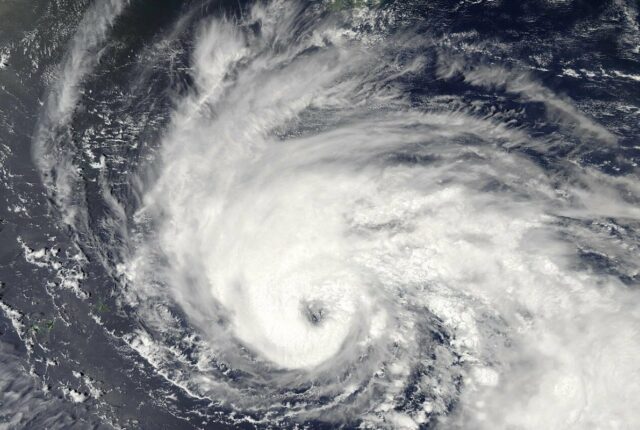
Typhoon Brings More Supply Chain Chaos In China!
This week a typhoon caused a lot of Supply Chain Chaos In China. More freight de
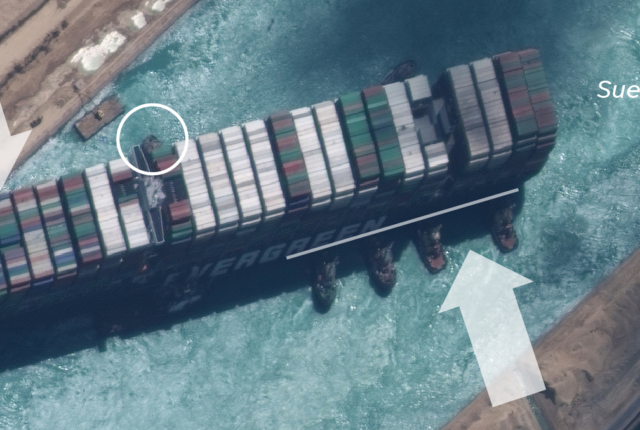
Suez Canal Blockage: Industry Update
Across the Ocean Shipping want to ensure all our customers that we are working c
