




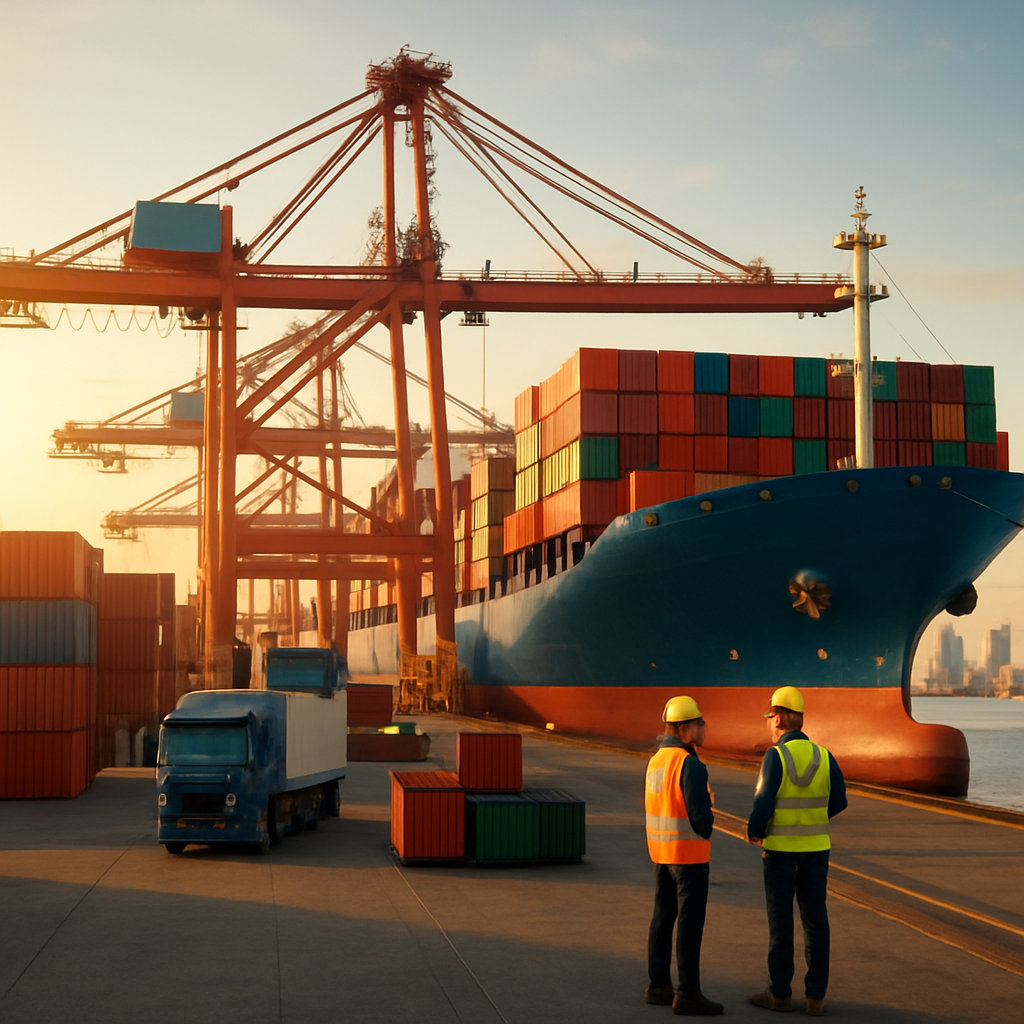
Ocean Freight Forwarding in the Netherlands: A 2026 Overview
Ocean Freight Forwarding in the Netherlands is entering a more uncertain phase as shippers head toward 2026. On the surface, softer spot rates and steady trade volumes suggest stability. Below that, however, structural capacity issues, shifting regulations, and fragile schedules are quietly raising the risk profile for companies moving cargo through Rotterdam and other Dutch ports.
- Relying on “post-pandemic normal” assumptions about rates and reliability
- Limited visibility into Ocean shipping logistics and carrier behavior
- Underestimating regulatory and compliance pressures at Dutch ports
- Treating freight purely as a purchasing exercise, not a strategic risk
- Failing to monitor schedule reliability and port throughput indicators
Why ocean freight forwarding in the Netherlands is getting harder to read
The Port of Rotterdam has seen modest declines in overall tonnage while container volumes keep rising, a combination that masks growing friction in networks. Extra containers intensify pressure on terminals, hinterland links, and Netherlands port logistics support just as carriers adjust routes around geopolitical and environmental constraints. For shippers, this can translate into longer transit times, surprise rollovers, and tightening Netherlands container freight choices despite headlines about available capacity.
Hidden risks behind apparently lower freight rates
Many logistics teams equate cheaper rates with lower risk, but forwarders describe an “Age of Complexity” in which effective capacity is eroded by congestion, slow steaming, and rerouting. Trade growth may be modest, yet schedule reliability remains weak and transit times erratic. This disconnect can quietly undermine Dutch ocean freight planning, leaving budgets exposed when sudden surcharges, equipment shortages, or missed sailings ripple through networks.
Operational warning signs your strategy is outdated
Warning signs often show up first in day-to-day execution rather than dramatic disruptions. Repeated last-minute carrier changes, chronic ETA slippage, or frequent rework of import customs paperwork for sea freight indicate underlying fragility. Smaller cargo owners are particularly vulnerable when vessels are unexpectedly full and larger accounts are prioritized. Companies that still rely on a single route, carrier, or pre-2020 playbook for Sea Freight in Netherlands may be missing how fundamentally patterns have shifted.
Compliance, documentation, and digital gaps
The regulatory layer around Ocean Freight Forwarding in the Netherlands is also tightening, from emissions reporting to cybersecurity standards in port communities. Missteps in the customs documentation process, export clearance for ocean cargo, or sea freight compliance requirements can now delay cargo as effectively as a port strike. Choices such as FCL and LCL container selection or alternative Container shipping options increasingly interact with environmental and digital rules, raising the cost of trial-and-error decision-making.
Why proactive expertise matters before the next disruption
With modest trade growth and structurally constrained capacity, reactive tactics are unlikely to be enough. Businesses need sharper visibility into end-to-end sea freight coordination, scenario planning for route disruption, and disciplined monitoring of indicators such as Port of Rotterdam statistics and schedule reliability data from sources like S&P Global. Before the next disruption cycle hits, assess your exposure, test alternative routes, and speak with an expert who understands how today’s conditions affect your specific lanes and risk profile.
If your team is constantly firefighting freight issues or struggling to explain cost overruns, it may be time to re-examine the foundations of your strategy. Review how you plan capacity, manage carriers, and handle Ocean Freight Forwarding in the Netherlands from contract design through execution. Consider a structured risk assessment and consultation to benchmark your current approach, uncover blind spots, and define practical steps to build resilience before problems become more expensive to fix.

Related posts
Shipping Line Prospects Improve After Tough Fourth Quarter
The last three months of 2023 were some of the worst for liner shipping’s fina
Amazon Australia’s Robot Operated Warehouse
Navigating the Seas: Technologies in Sea Freight Shipping
Sea freight shipping is a crucial aspect of international trade, enabling the tr
