



International Ocean Cargo Transport: Trends in the Netherlands
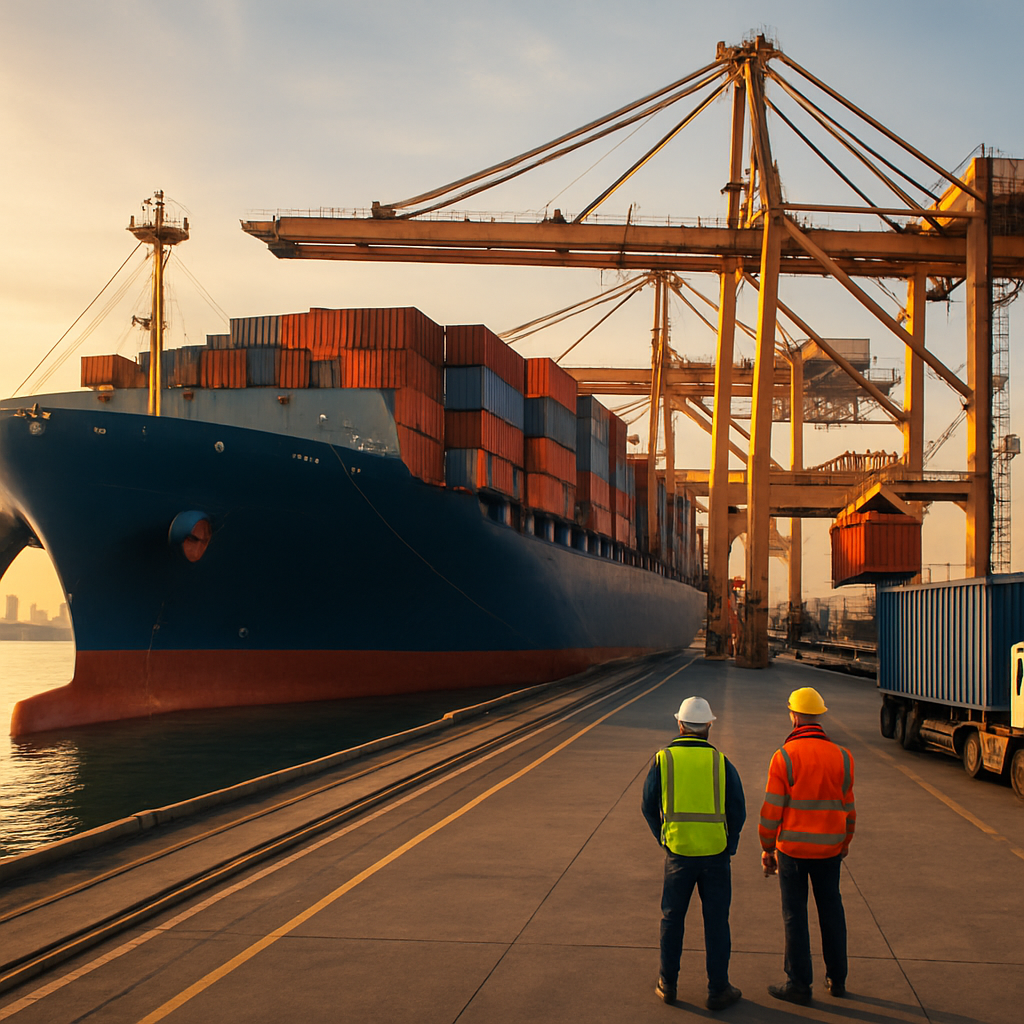
International ocean cargo transport through the Netherlands can feel complex, especially when you are balancing cost, transit time, and compliance. The Port of Rotterdam remains Europe’s primary deep-sea gateway, so choosing the right partner for Sea Freight in Netherlands is a strategic decision. By understanding how Dutch providers manage risk, sustainability, and visibility, you can ship with greater confidence and fewer surprises.
“When a logistics partner explains their processes clearly, you are not just buying capacity—you are buying predictability, transparency, and peace of mind for every shipment.”
International ocean cargo transport: what matters most
For most US shippers, trust starts with clarity on capacity, routes, and service levels. A reliable Dutch partner will walk you through available container shipping options, explain typical european container shipping routes, and outline how they coordinate port logistics and container handling. You should expect detailed sailing schedules, transit time ranges, and clear escalation paths if vessels are delayed or containers are rolled.
How Dutch providers reduce risk and uncertainty
Trust is built through consistent processes rather than promises. Leading Netherlands export container services use integrated port community systems to streamline the customs documentation process and provide status updates from terminal gate to final delivery. They support your ocean shipping logistics planning by offering realistic buffers for inland connections, explaining how barge, rail, and truck are combined, and providing door-to-door ocean freight solutions when required.
Sustainability, compliance, and digital transparency
Environmental regulations and ESG commitments now influence carrier and route selection as much as price. Dutch ports invest heavily in cleaner fuels, shore power, and digital tools that give you earlier, more accurate ETAs. A trustworthy partner will share emission data per trade lane, outline customs documentation process steps, and provide an import customs documentation checklist so your team can avoid delays. For reference on port sustainability initiatives, you can review publicly available information from the Port of Rotterdam Authority at https://www.portofrotterdam.com.
When comparing providers, look for a track record of handling complex Ocean shipping logistics and proactive communication. Ask for case examples of container shipping options comparison, details on how they protect reefer and high-value cargo, and evidence of 24/7 monitoring. Reputable specialists in international ocean cargo transport through the Netherlands will be transparent about risks, outline contingency plans, and show how their systems help you keep shipments on track. If you are ready to review capacity, routes, and risk-mitigation strategies, speak with our team today to map the best Sea Freight in Netherlands solution for your business and ship with confidence on every booking.

Related posts
Ocean Shipping Times Surge in Supply-Chain Crunch
Ocean shipping times have been hevily delayed meaning the commercial cargo ship
Europe’s Ports Manage Congestion Amid Delayed Vessel Arrivals
North Europe’s container hub ports are coping with the arrival of delayed

Lower Volumes of Shipping Predicted
As the Ukraine war continues, lower volumes of shipping have been predicted due
