




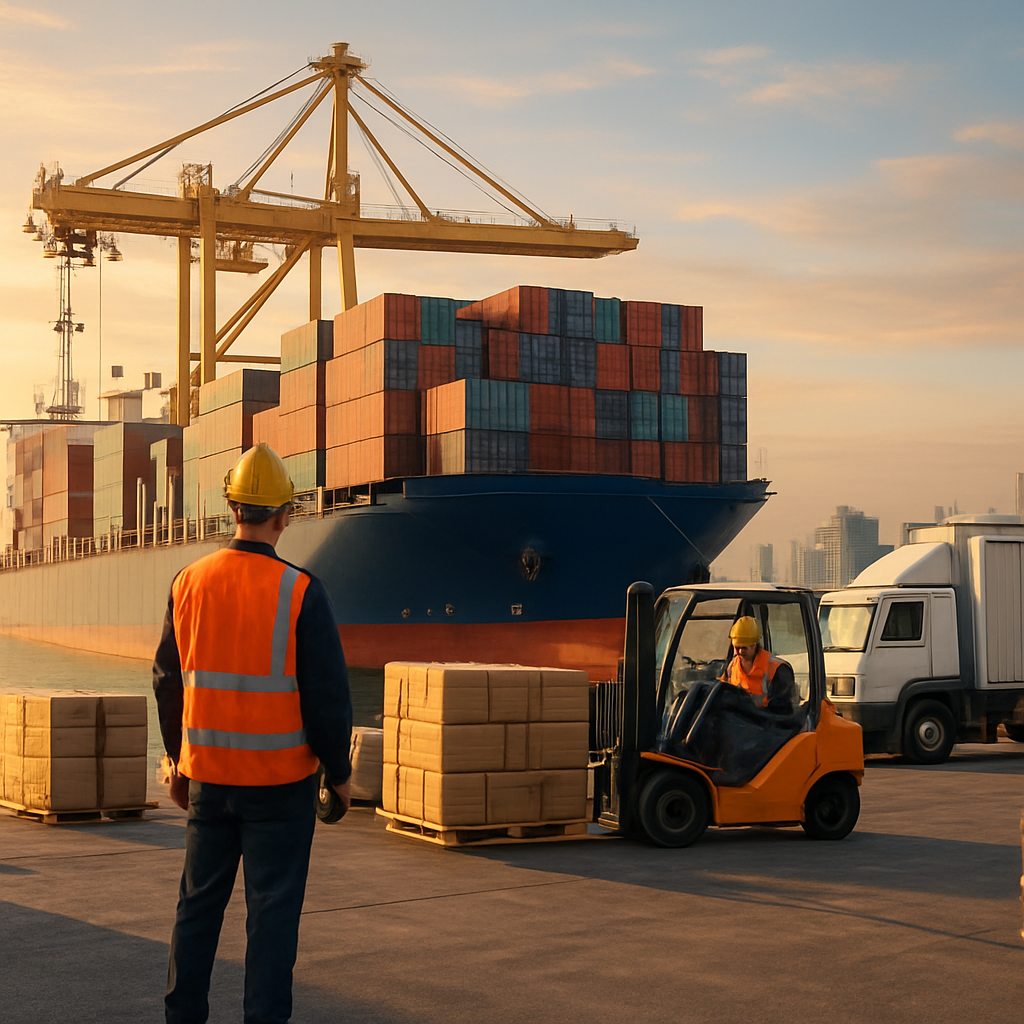
Port-to-Port Coastal Freight: Streamlining Your Logistics
Domestic & Coastal in Netherlands services give businesses a dependable way to move cargo between major seaports and regional terminals while avoiding congested highways and unpredictable long-haul trucking. By shifting suitable loads to sea, shippers gain more stable transit times, greater capacity flexibility, and a more sustainable footprint. For many supply chains, particularly those serving dense coastal regions, coastal freight solutions provide a practical balance of speed, cost control, and risk reduction.
“Reliable port-to-port services are built on transparent processes, predictable schedules, and the confidence that every shipment is handled consistently from booking to final delivery.”
How Domestic Coastal Freight Works in the Netherlands
Modern domestic coastal freight services typically follow a clear, predictable process that starts with route planning between key hubs such as Rotterdam and regional ports. Shippers book capacity for bulk, palletized, or containerized cargo and receive confirmed cut-off times, sailing schedules, and handling requirements. At each terminal, standardized loading and discharge procedures reduce damage risk and delays, while digital tracking keeps logistics teams informed from port gate to final handover.
Building Trust Through Process, Transparency, and Compliance
Trust grows when operators explain exactly how netherlands port-to-port shipping integrates with local delivery options, customs rules where relevant, and port regulations. Reputable providers share their safety certifications, environmental commitments, and vessel maintenance standards, showing how they manage hazards proactively rather than reactively. Many also combine short-sea logistics for dutch cargo with clear service-level agreements, specifying transit times, communication checkpoints, and escalation paths so shippers know what to expect if something changes.
Integrated, Low-Risk Coastal Logistics for Modern Supply Chains
For businesses seeking stability, multimodal coastal transport solutions connect sea legs with rail, barge, and road, creating integrated sea and local delivery networks that feel as seamless as traditional trucking. Operators increasingly invest in low-emission domestic sea transport, modern fuel-efficient vessels, and coastal container freight options to align with corporate sustainability goals and regulatory expectations. Shippers comparing interstate shipping services or door-to-door coastal freight can evaluate providers based on on-time performance, damage ratios, digital visibility, and responsiveness when exceptions occur.
Looking for more background on how coastal corridors support resilient supply chains and greener transport strategies? Independent resources like the European Commission’s maritime transport overview at https://transport.ec.europa.eu/transport-modes/maritime_en provide useful, non-commercial context on policy, safety, and environmental standards. By combining these insights with a provider that offers tailored coastal freight solutions and domestic coastal freight services, you can confidently assess total cost, risk exposure, and long-term reliability before committing your volumes.
If you’re ready to explore how Domestic & Coastal in Netherlands services could streamline your port-to-port operations, speak with our team today to review routes, sailing frequencies, and capacity options tailored to your lanes. Share your current pain points, from congestion and delays to inconsistent tracking, and we’ll map out clear, data-backed solutions with transparent pricing and service levels. Ask your questions, compare scenarios, and move forward with a coastal logistics plan designed to support your business with confidence.

Related posts
Coastwise Shipping Services: Benefits for Dutch Businesses
Discover how Domestic & Coastal in Netherlands solutions cut costs, lower em
Los Angeles: More Empty Containers than Full Containers!
Over the past few years, the Los Angeles and Long Beach port has been the primar
Adapt and Overcome: The Future of Shipping
Are changes permanent? Essentially, no. Companies are thrown various obstacles,
