




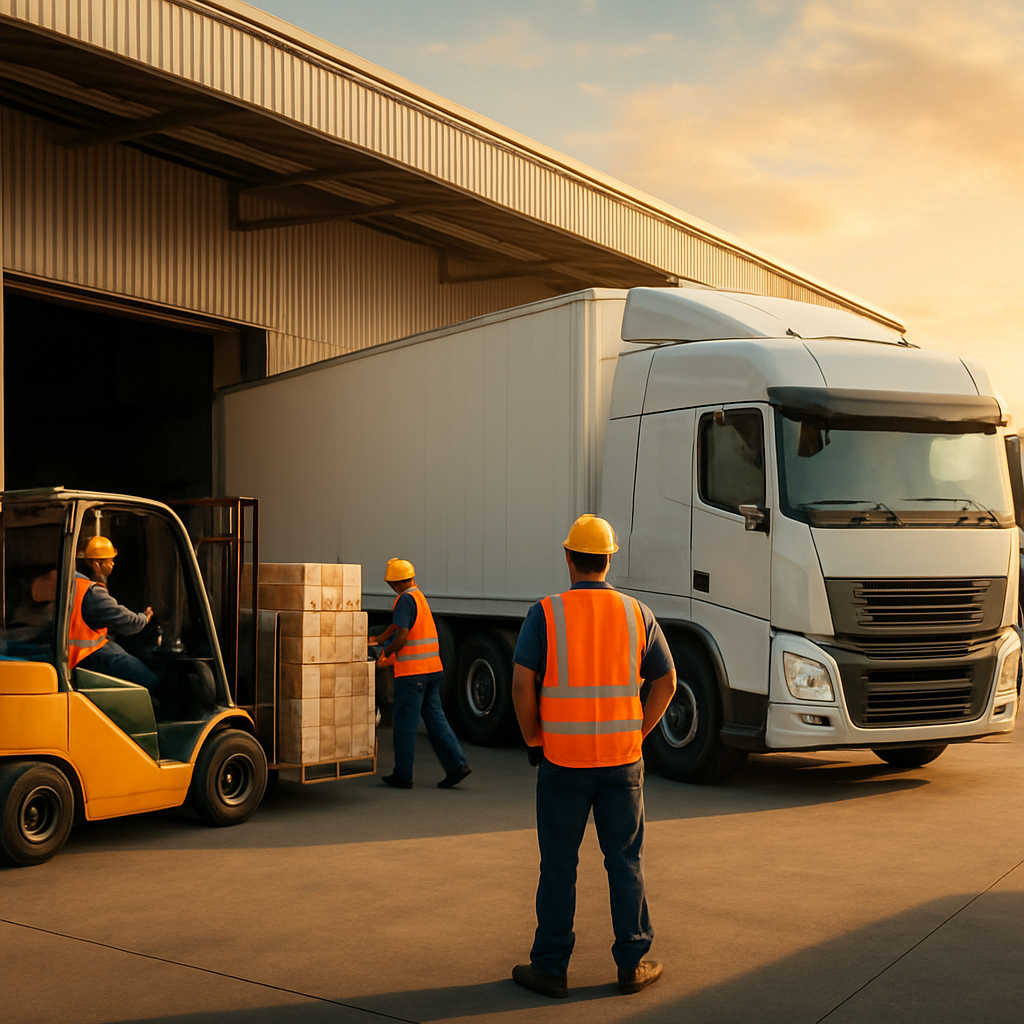
International Road Transport: Trends and Tips for 2026
International Road Transport: Trends and Tips for 2026
International Road Transport in 2026: What Sets Leading Providers Apart
International road transport in 2026 is shaped by tightening capacity, higher sustainability expectations, and rapid digitalisation. For shippers that depend on Road Freight in Netherlands as a gateway to Europe, the real question is not just who can move your freight, but who can consistently protect service, cost, and compliance as conditions shift. Understanding the differences between providers helps you choose a partner that supports long-term resilience instead of short-term fixes.
Most freight transportation services offer similar lane coverage and basic tracking, but the leaders stand out through proactive planning, transparent data, and the ability to adapt networks quickly. They integrate road freight transportation services with customs know-how, local regulatory expertise, and strong carrier relationships, reducing delays at borders and terminals. This combination of capabilities matters more as driver shortages, road charging schemes, and emissions reporting requirements expand across Europe.
Sustainability is now a practical performance issue, not just a marketing theme. Advanced operators invest in low-emission trucks, alternative fuels, and smart routing that cuts empty kilometres, supporting both ESG targets and cost control. By combining european logistics and shipping solutions with granular CO₂ reporting, they allow shippers to compare international cargo delivery options based on emissions as well as transit time and price. Reference standards from the European Environment Agency at https://www.eea.europa.eu/ help validate and benchmark these strategies.
- Deep understanding of Benelux and European regulations, from cabotage to road charging
- Integrated digital platforms that provide real-time status, predictive ETAs, and exception alerts
- Flexible cargo delivery options combining FTL, LTL, and groupage for changing volume profiles
- Proven contingency planning for strikes, border delays, and weather-related disruptions
- Structured account management with clear KPIs, quarterly reviews, and optimisation roadmaps
How Our Approach to Road Transport Creates Competitive Advantage
A differentiated approach to international road transport starts with network design. Rather than relying on a narrow carrier base, leading providers blend ftl and ltl shipping solutions, intermodal links, and regional hubs to maintain options when lanes come under pressure. This enables cost-effective road cargo options without sacrificing reliability on time-sensitive flows such as retail replenishment or high-value industrial components.
Digital, Data-Driven, and Customer-Centred Execution
Digital maturity is another key differentiator. Modern platforms connect planning, execution, and reporting, giving shippers end-to-end visibility from booking to proof of delivery. When netherlands road logistics solutions integrate with your TMS or ERP, you gain a single source of truth for volumes, costs, and performance trends. This supports better budgeting, more accurate demand planning, and faster responses when sales or production plans change unexpectedly.
- API and EDI integrations that eliminate manual data entry and reduce errors
- Standardised processes for cross-border freight transportation, including document automation
- Scenario modelling to compare lanes, transit times, and risk profiles for key corridors
- Door-to-door cargo delivery coordination, including time-slot management at warehouses
- Structured continuous-improvement programs to refine logistics and shipping solutions over time
For shippers planning international road transport in 2026, the most competitive partners will combine sustainability, technology, and local expertise into a single, accountable offering. They will make it easier to compare road freight transportation services against other modes, clarify trade-offs, and align transport choices with your broader supply chain strategy. If you are reassessing your cross-border network or exploring new international cargo delivery options, now is the time to speak with a specialist team, review your current performance, and shape a roadmap that secures capacity, controls risk, and supports growth.

Related posts
Severe Congestion at DP World Melbourne Terminal
Landside logistics operators are continuing to experience extreme congestion at
LTL Freight Shipping: A Comprehensive Guide for 2026
Explore how LTL freight shipping is evolving in 2026, with strategic insights on
Understanding Road Freight Services in the Netherlands for 2026
Discover how Road Freight in Netherlands is evolving for 2026, from rising costs
