




Industrial Project Freight Solutions for Dutch Industries
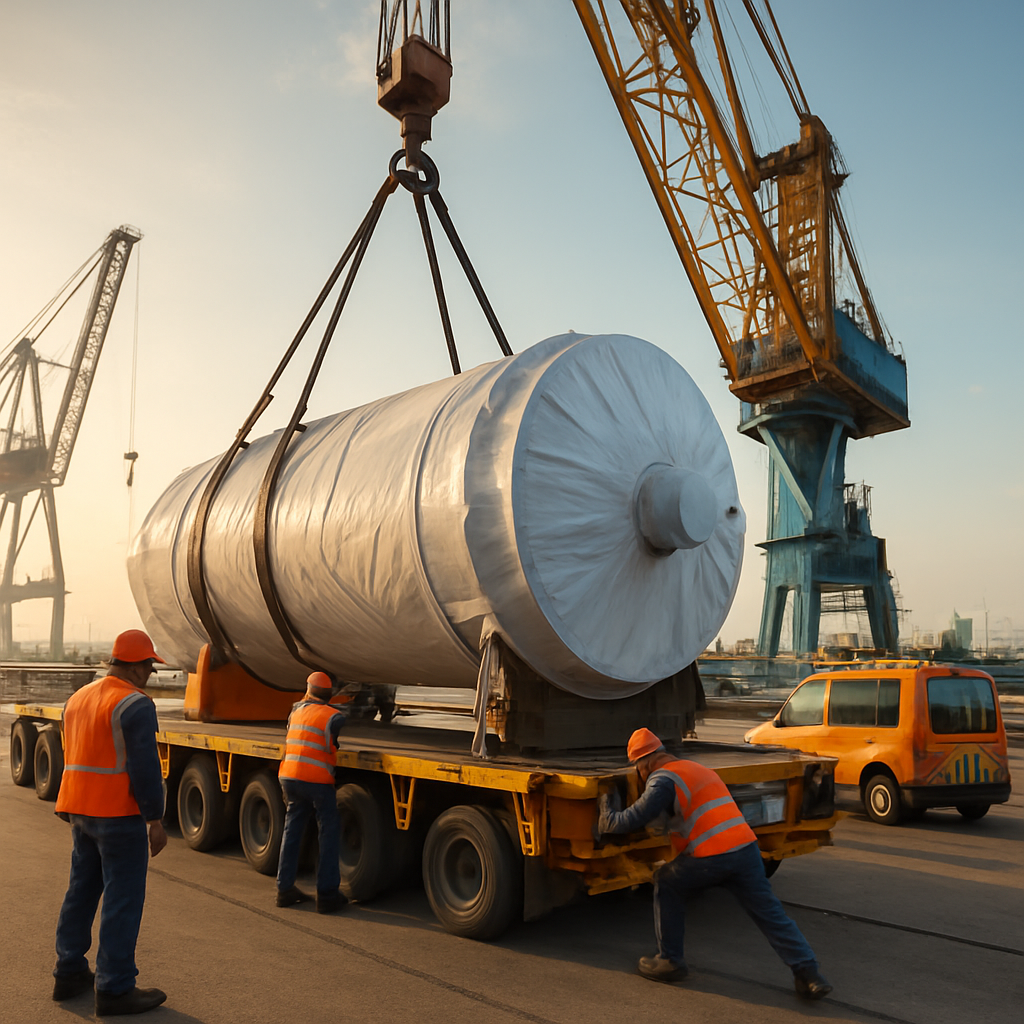
Industrial project freight in the Netherlands demands more than basic forwarding; it requires specialised planning, engineering insight, and precise execution across ports, waterways, and construction sites. Dutch shippers comparing providers quickly see that true differentiation lies in how partners integrate engineering, compliance, and technology into everyday operations. Organisations evaluating Project Logistics in Netherlands need clarity on which capabilities genuinely reduce risk, protect budgets, and keep complex assets moving on schedule.
Industrial Project Freight Solutions for Dutch Industries
The most effective partners treat project cargo as a core discipline, not an occasional add-on to standard freight forwarding services. They build teams that understand Dutch industrial requirements in energy, offshore wind, petrochemicals, and large-scale construction. This means combining technical planning with practical site knowledge, ensuring that industrial freight transport solutions are designed for real-world constraints at plants, terminals, and offshore locations.
Integrated end-to-end planning is a fundamental differentiator. Rather than managing each leg in isolation, leading providers engineer integrated project supply chains that align design, fabrication, and installation schedules. They map every interface, from factory gate to foundation, using customised industrial transport planning that accounts for weight distribution, road and quay loading limits, and marine spread availability. This engineering mindset underpins truly effective supply chain management for high-value, oversized assets.
- Detailed route and lift studies for heavy, oversized equipment
- Alignment of transport plans with fabrication and installation milestones
- Scenario-based planning for weather, tidal, or regulatory delays
- Dedicated project control teams overseeing every shipment phase
- Structured communication protocols across owners, EPCs, and subcontractors
Local Port Expertise and Multimodal Execution
Deep familiarity with Dutch ports and inland waterways is another clear separator between providers. Teams that work daily in Rotterdam, Amsterdam, and North Sea Port understand berth availability, heavy-lift crane capacities, and the practical limits of barge and road access. They translate this knowledge into multimodal project transport options that balance cost, risk, and sustainability requirements for each shipment.
Safety, Compliance, and Risk Management by Design
For industrial projects, safety and compliance cannot be retrofitted; they must shape every planning decision. Strong partners embed risk-managed project cargo handling into their methods, ensuring that European and Dutch regulations are addressed early. They formalise heavy project logistics management through method statements, toolbox talks, and permit tracking, providing clear documentation for auditors and project stakeholders.
- Systematic HSE integration into all handling and lifting procedures
- Proactive engagement with authorities on exceptional transport permits
- Structured risk registers and mitigation plans for critical moves
- Clear roles and responsibilities for end-to-end logistics coordination
- Alignment of transport concepts with project insurance requirements
Technology further distinguishes advanced providers. Instead of relying solely on email, they deploy platforms that consolidate documentation, milestones, and exception reporting across transportation solutions and project cargo forwarding services. Shippers gain reliable visibility into status, next steps, and potential bottlenecks, which is especially important when synchronising deliveries to congested industrial sites or offshore installation windows. To stay informed on wider logistics trends in the Dutch market, many project owners reference data and insights from the Port of Rotterdam Authority at https://www.portofrotterdam.com.
Making a Confident Partner Choice
When selecting a project logistics partner, Dutch shippers should compare more than day-rate pricing. Key decision factors include demonstrated experience with complex industrial projects, depth of engineering resources, port and barge know-how, and the maturity of digital control tools. Evaluating how each provider manages risk, communicates with stakeholders, and structures project governance will reveal the differences that matter most over a project’s lifecycle.
For organisations planning major industrial investments in the Netherlands, taking time to benchmark capabilities in project planning, execution control, and stakeholder transparency will pay off over years of operation. Compare your current approach, ask detailed questions about methodology and case studies, and choose the team that can clearly explain how they will protect your cargo, timelines, and budget from day one.

Related posts

Chemical Freight Transport: Key Compliance Insights for 2026
Discover 2026 chemical freight transport compliance insights, from EU emissions
Cutting Carbon Emissions For the Shipping Industry Remains a Struggle
Cutting carbon emissions remains a struggle as sea shipping operators are under
Carbon Capture Startup Supported By Industry Leaders
As decarbonising becomes an ever increasing hot topic within the global shipping
