




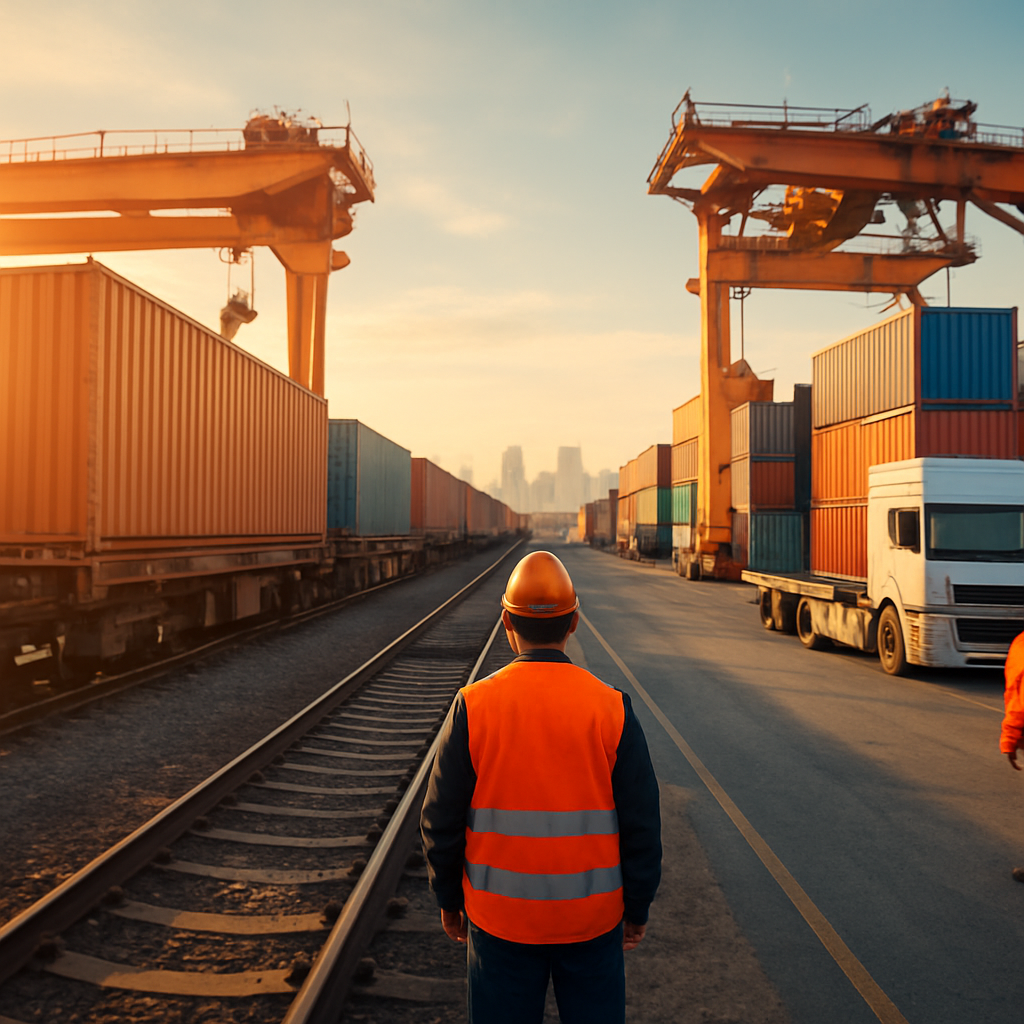
Container Rail Freight Shipping: What Dutch Importers Need to Know
Container rail freight shipping is becoming a strategic choice for Dutch importers who want more control, lower emissions, and predictable costs across their logistics and supply chain. Instead of relying solely on trucks, more businesses are shifting recurring container flows onto rail to stabilise lead times and reduce risk. This matters in a market where driver shortages, congestion, and fuel volatility can disrupt deliveries. By understanding how container rail works and what a trustworthy partner looks like, you can decide with confidence whether it fits your organisation’s long-term transport strategy.
“The right rail partner doesn’t just move containers; they give you reliable schedules, clear information, and fewer surprises.”
Why Dutch importers are turning to rail
Many Dutch companies view container rail freight shipping as a practical way to de-risk European flows from Germany, Italy, Austria, and Central Europe. Fixed timetables and high-capacity trains deliver consistent transit times that are hard to match with road-only freight transportation solutions. With almost half of Dutch rail cargo already moved in containers, importers are using rail as a stable core service, backed up by flexible trucking for peaks and urgent loads. This balance helps procurement and operations teams plan more confidently, instead of firefighting delays at the last minute.
How container rail freight shipping actually works
In practice, rail-based imports are organised as intermodal shipping services that combine local trucking, terminal handling, and long-haul rail. Containers are picked up at the factory or inland depot, transferred to a rail terminal, then moved by train to major Dutch hubs such as Rotterdam or Venlo. At destination, they are drayed by truck to your warehouse or cross-dock. Reliable providers offer digital tracking, clear cut-off times, and proactive communication so your logistics planning for rail can be aligned with warehouse staffing, slot bookings, and inventory targets.
What to check when choosing a rail freight partner
When assessing potential partners, focus on transparency, resilience, and their ability to offer truly integrated freight logistics. Ask for published schedules, typical transit times, and details of which terminals and corridors they use. A strong partner will explain how they secure capacity, what contingency plans exist during disruptions, and whether they work with multiple operators to protect your cargo. Look for safety certifications, solid insurance coverage, and experience with sustainable rail supply chains, backed by credible references and clear performance reporting rather than vague promises.
Next steps toward a reliable rail strategy
A low-risk way to start is running a pilot lane from a key European production area into a Dutch rail-linked distribution network. Compare on-time performance, total landed cost, and CO₂ per shipment with your current road solution, using public data from organisations like Statistics Netherlands (CBS) for context at https://www.cbs.nl/en-gb. Discuss how Rail Freight in Netherlands can support your intermodal freight rail options, multimodal shipping services, and long-term end-to-end logistics services. By partnering with a team that understands rail-focused transportation solutions, you can build stable, sustainable rail supply chains into your core import model.
Speak with our specialists today to review your current routes, explore tailored intermodal shipping services, and design a container rail pilot that fits your volumes, service standards, and risk profile—so you can move forward with container rail freight shipping confidently and on your own terms.

Related posts
On Track for Success: Strategies for Efficient Rail Freight Planning
Rail freight planning is a critical aspect of logistics, playing a pivotal role
Understanding Rail Freight Services in the Netherlands: A Guide
Explore how Rail Freight in Netherlands supports efficient, lower-emission Europ
The Growing Importance of Rail Freight in Dutch Supply Chains
The Netherlands has long been a leader in global logistics, known for its effici
