




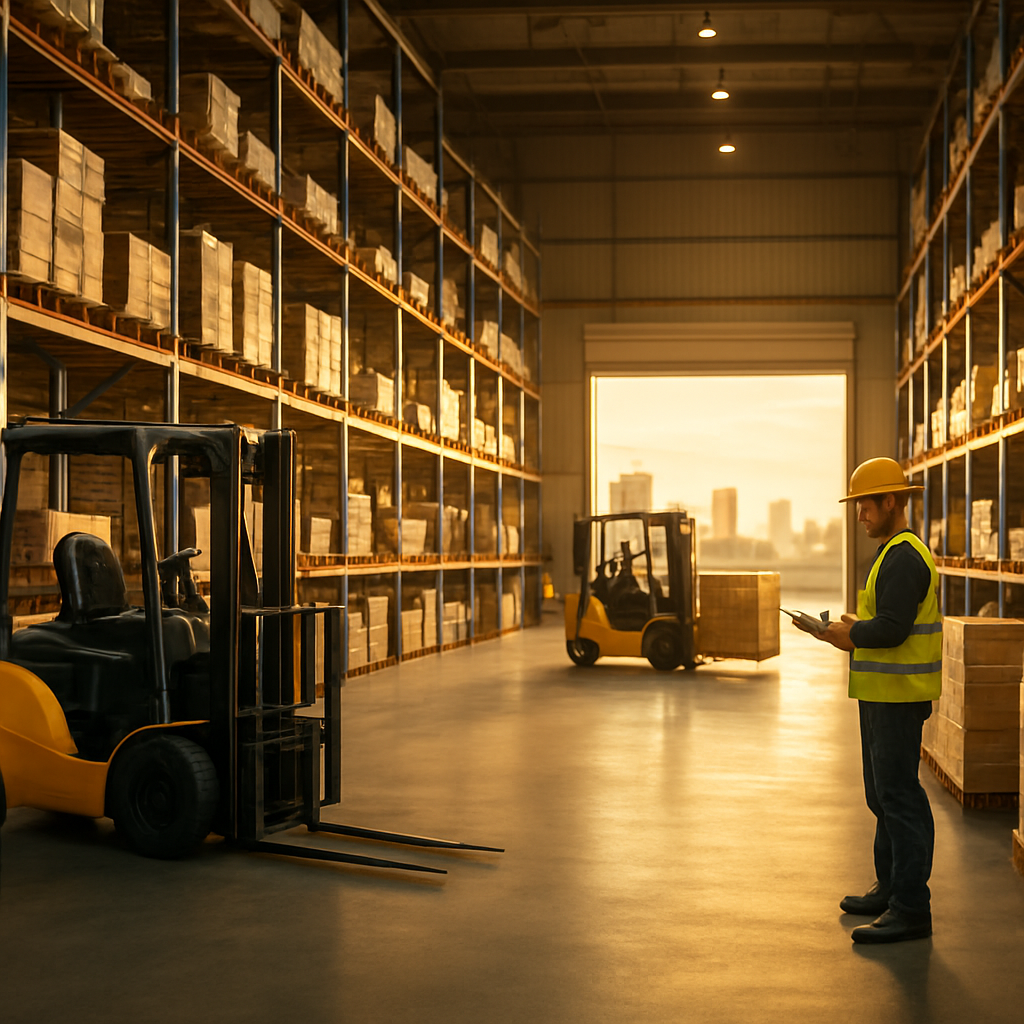
Short-Term vs Long-Term Storage: Which is Right for You?
Short-Term vs Long-Term Storage: Which is Right for You?
Understanding Short-Term vs Long-Term Storage
When comparing short-term vs long-term storage, most organisations are weighing cost, commitment, and operational risk. Short-term arrangements usually span from a few weeks up to six months, while long-term setups extend for a year or more under formal leases or service contracts. For companies navigating complex logistics management solutions, choosing the right duration can influence transport planning, staffing, and cash flow. In practice, many European businesses begin with short-term space and then evolve into longer tenures as their needs stabilise and market demand becomes easier to forecast.
When Short-Term Storage Makes Sense
Short-term storage is best suited to transition periods and unpredictable conditions. Businesses turn to short-term inventory storage during product launches, seasonal peaks, or one-off projects where locking into a long lease would be risky. These facilities usually operate on flexible, month-to-month terms, allowing rapid upsizing or downsizing of inventory storage options as sales fluctuate. Individuals may also rely on short-term solutions when relocating, renovating, or taking temporary assignments abroad. The trade-off is that flexibility often comes at a slightly higher rate per square metre and availability can tighten during busy seasons.
Why Choose Long-Term Storage Solutions
Long-term storage is designed for stability, cost control, and integration with broader warehouse inventory storage strategies. In logistics management in warehousing, multi-year leases allow operators to invest confidently in racking, automation, and technology that support supply chain efficiency. Many companies use long-term warehouse storage options for core product lines, archival records, or steady e-commerce demand that justifies a committed footprint. However, exiting early from a long-term agreement can be expensive, so it is crucial to model different scenarios and understand how volumes, transport patterns, and customer lead times might change over the contract period.
- Match storage duration to forecast accuracy: short-term if demand is volatile, long-term if volumes are predictable.
- Assess how each option affects improving supply chain performance and customer lead times.
- Compare total costs, including handling, insurance, and any penalties for early exit or rapid scaling.
- Blend models by using long-term space for core stock and flexible storage solutions for supply chains during peaks.
- Consider regional hubs such as Warehousing in Netherlands to support supply chain optimization in logistics across Europe.
For many organisations, the most resilient approach combines a stable long-term base with flexible capacity that can be switched on quickly. This kind of efficient warehouse logistics management supports both everyday operations and sudden demand spikes without overcommitting capital. Industry research from the FEDESSA Self Storage Annual Report, available at https://www.fedessa.org, shows that users often stay longer than planned, underscoring the need for deliberate decisions rather than drifting into semi-permanent arrangements. Before you commit, map your growth forecasts, risk tolerance, and preferred storage solutions for supply chains, then compare providers on technology, security, and service levels. If you are unsure which mix of contracts is right for you, speak with a storage or logistics specialist who can model scenarios and help you select a strategy that fits your current needs and future expansion plans.

Related posts
4PL vs 3PL Dutch Warehousing: Strategic Control in a Volatile Global Market
If your products move through the Netherlands, you are already operating inside
Understanding Warehousing Services in the Netherlands for 2026
Understand warehousing services in the Netherlands for 2026, from automation and
How 4PL Providers Integrate SAP Warehouse Systems Across Global Supply Chains
The Netherlands is built for global trade, but that also means Dutch supply chai
