





Top Logistics Cost Reduction Strategies for Dutch Firms
Rising logistics costs are putting real pressure on Dutch manufacturers, traders, and retailers. With transport and warehousing expenses jumping almost 10% in 2023 while port volumes declined, many firms are discovering that Supply Chain Optimization in Netherlands is no longer optional. The real concern is not only slimmer margins, but also the slow erosion of service reliability, price competitiveness, and working capital as hidden inefficiencies grow.
- Transport spend trending upward faster than revenue
- Underutilised trucks and containers on key domestic and EU lanes
- Last-minute carrier changes, premium freight, and firefighting to meet ETAs
- High overtime in warehouses despite flat or falling throughput
- Stockouts on critical SKUs while overall inventory remains bloated
Hidden drivers of Dutch logistics cost inflation
For many Dutch firms, the problem begins with poor end-to-end visibility. Data on orders, carriers, and warehouses sits in disconnected systems, making it hard to understand true cost-to-serve by customer or lane. That gap obscures inefficient routing, fragmented tenders, and missed Logistics efficiency strategies that could consolidate loads and smooth flows.
How structural pressures amplify everyday inefficiencies
Geopolitical instability, disruptions in global shipping corridors, and climate-related constraints on waterways have pushed up container rates and transit risk. At the same time, European driver shortages and stricter sustainability rules are increasing labour and compliance costs. Without robust Inventory management techniques and demand forecasting methods, Dutch businesses often respond with extra safety stock or urgent shipments, locking in higher long-term costs.
Warning signs inside Dutch warehouses and transport networks
Inside depots and distribution centres, chronic overtime and overtime-related errors are early warnings that processes are stretched and layouts may be suboptimal. Poor warehouse inventory control tactics can mask slow-moving or obsolete stock, tying up cash that could be used elsewhere. On the road, a lack of data-driven logistics efficiency means empty backhauls, inconsistent lead times, and unreliable capacity during seasonal peaks.
Missed opportunities in Dutch cost reduction efforts
International benchmarks show that companies applying logistics efficiency best practices can cut logistics costs by 10–20% over time. Yet many Dutch SMEs still rely on spreadsheets rather than advanced demand forecasting tools or integrated demand and inventory planning. That leaves them exposed when demand shifts suddenly, making lean inventory planning approaches and real-time demand sensing techniques difficult to implement in practice.
Analyses from organisations such as the Netherlands Enterprise Agency highlight how innovation in freight, digitisation, and sustainability is reshaping the sector, offering credible transport and routing efficiency tips for local firms. Ignoring these developments can mean higher exposure to shocks and eroding margins. Now is the moment for Dutch leaders to audit their networks, challenge legacy decisions, and explore structured Supply Chain Optimization in Netherlands before the next cost surge hits. If recurring bottlenecks, rising freight bills, or unreliable service sound familiar, consider speaking with a logistics specialist to assess your current setup and prioritise the most impactful improvements.

Related posts
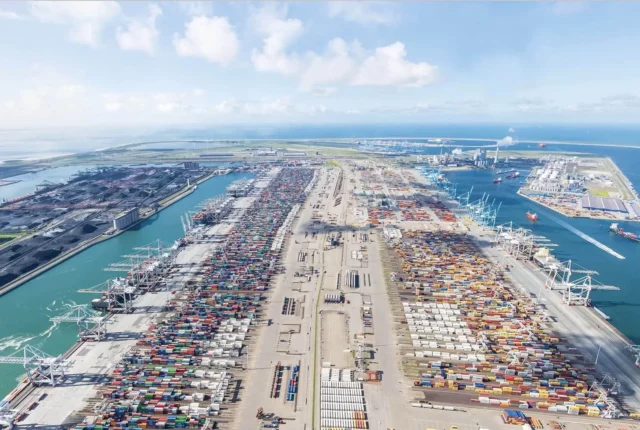
How Dutch Ports are Streamlining Sea Freight Operations
Dutch ports have long been pillars of global trade, with the Port of Rotterdam,
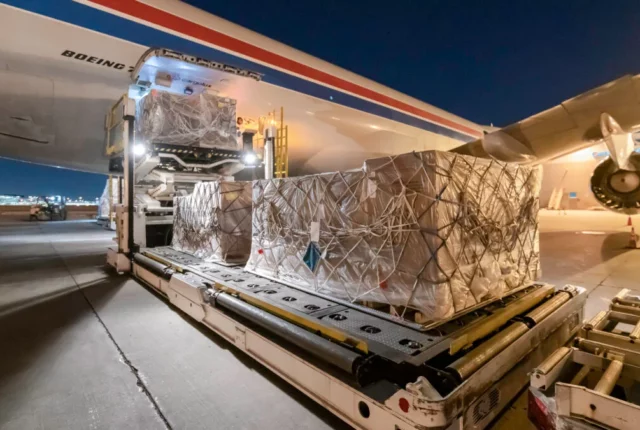
The Impact of E-commerce Growth on Air Freight in the Netherlands
The digital transformation of retail has revolutionized the way we shop, and the
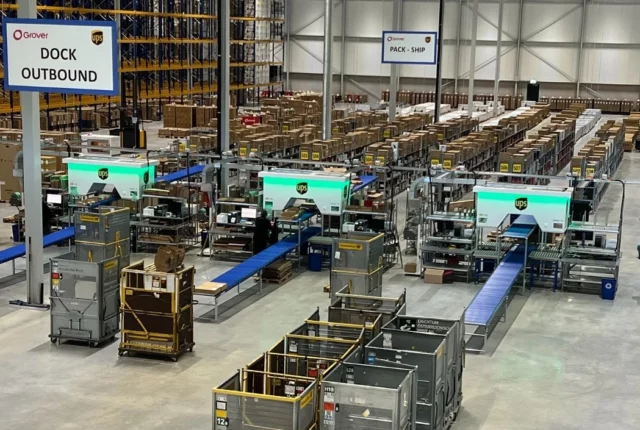
Why SAP Warehouse Solutions Are Becoming Essential for European Warehouse Logistic
If you run a European distribution operation, you already feel the pressure: tig
